

Grip socks—also commonly referred to as non-slip socks, anti-slip socks, or grippy socks—are designed to improve traction and stability by adding specialized grip patterns to the sole. These patterns increase friction between the foot and the surface, helping reduce slips on smooth or unstable flooring.
Originally developed for yoga, Pilates, barre, and studio-based workouts, grip socks have expanded well beyond fitness environments. Over the past few years—particularly since 2023—their adoption has accelerated across home use on slippery floors, rehabilitation and recovery settings, travel, hospitals, senior care, and everyday indoor wear.
From a market perspective, grip socks sit at the intersection of performance apparel, safety footwear, and comfort-focused lifestyle products. This cross-category positioning explains why demand has broadened rapidly across B2C retail, studio partnerships, healthcare procurement, and OEM/private-label programs.
By 2024–2025, grip socks are no longer viewed as niche accessories. They are increasingly recognized as practical, hygiene-friendly solutions for daily movement—especially where traditional footwear is impractical or undesirable.
Although they may look similar at first glance, grip socks differ from regular socks in construction, purpose, and performance outcomes.
The defining feature is the traction system on the sole, typically made from silicone, PVC, or proprietary grip compounds arranged in dots, lines, or textured patterns. These systems are engineered to increase friction, reduce unwanted foot movement, and enhance balance during both static and dynamic activities.
Regular socks prioritize warmth and moisture absorption. On smooth indoor surfaces—such as hardwood, tile, laminate, or vinyl—they can actually increase slip risk, particularly during direction changes or balance-based movements.
As indoor fitness and home-based routines continued to grow after 2020, many users shifted away from barefoot training toward grip socks as a safer, more hygienic alternative.
The primary function of grip socks is not athletic performance, but controlled stability during everyday movement.
By increasing friction between the foot and the surface, grip socks reduce micro-slips that often go unnoticed but gradually increase fall risk.
This added stability is especially important on smooth indoor floors such as hardwood, tile, laminate, and vinyl, where regular socks can unintentionally increase slipping.
Rather than locking the foot in place, grip socks allow natural movement while reducing sudden loss of traction. This balance between freedom and control is what makes them suitable for both fitness and daily indoor use.
The rise of grip socks reflects broader lifestyle, fitness, and risk-awareness shifts.
First, indoor and low-impact fitness has expanded. Yoga, Pilates, barre, and at-home workouts often involve bare floors or mats, where grip socks offer a clean, stable alternative to barefoot training.
Second, awareness of injury prevention has increased. Slips and falls remain among the most common household accidents. Grip socks address this risk without the bulk of shoes, making them suitable for daily indoor wear, recovery routines, and mobility-focused activities.
Third, grip socks align with athleisure and functional lifestyle apparel trends. Consumers prefer products that transition between exercise, home use, and casual movement—a role grip socks fill naturally.
Commercially, adoption has widened because grip socks serve multiple markets at once:
Together, these factors have pushed grip socks into the mainstream by 2024–2025, sustaining growth across both B2C and B2B channels.
At first glance, grip socks and regular socks may look similar, but they are designed for very different purposes.
Regular socks focus on warmth and moisture absorption. When worn on smooth indoor surfaces such as hardwood, tile, or laminate, they can actually increase the risk of slipping.
Grip socks, on the other hand, are designed to improve stability. The traction patterns on the sole increase friction with the floor, helping reduce unwanted foot movement during standing, walking, and controlled activities.
In real-life use, the difference becomes clear in moments that require balance. Grip socks are chosen not for comfort alone, but for safety, confidence, and control during indoor movement.
In most cases, the terms grip socks, non-slip socks, and grippy socks refer to the same category of products.
All of these terms describe socks designed with traction elements on the sole to reduce slipping on smooth surfaces. The difference is largely in naming rather than function.
“Grip socks” is commonly used in fitness and studio settings, while “non-slip socks” is often used in home, medical, or safety-focused environments.
Regardless of terminology, the core purpose remains the same: improving stability and reducing slip risk during indoor use.
Grip socks are no longer limited to studios or workouts. Their use has expanded wherever people move indoors without wearing shoes.
Common usage scenarios include home environments, indoor fitness spaces, rehabilitation settings, travel accommodations, and shared indoor facilities.
In each case, the goal is the same: improved stability without the bulk of traditional footwear.
Most people don’t plan to buy grip socks in advance. The need usually appears in a very specific moment.
These moments are small, but they trigger a clear realization:
“I need socks that feel more secure.”
Grip socks solve problems people often don’t notice until stability becomes an issue.
The difference is usually noticeable within minutes, not after weeks.
The most immediate change is at the sole. On hardwood, tile, or studio floors, the foot no longer “drifts” after weight is applied.
Users often describe it as:
This is especially noticeable during single-leg balance, slow transitions, and changes in direction.
In many activities, instability doesn’t come from lack of strength, but from fear of slipping.
Grip socks allow users to:
Many first-time users report smoother movement simply because they are no longer compensating for unstable footing.
Real judgment happens after wearing grip socks for some time. Users pay attention to:
The grip socks people keep using are not the ones with the strongest grip, but the ones that remain comfortable, breathable, and unobtrusive during extended wear.
By 2024–2025, grip socks are used far beyond studios.
Many users keep grip socks specifically as indoor socks, replacing traditional house socks.
In yoga, Pilates, barre, and similar activities, common challenges include:
Grip socks reduce these variables, allowing users to focus on form rather than footing.
Grip socks are also commonly used during:
In environments where shoes aren’t practical, grip socks offer a middle ground between barefoot movement and full footwear.
Grip socks often change habits quietly.
As a result, users begin searching for terms such as non-slip socks for home, grip socks for hardwood floors, and anti-slip socks for women.
Once stability becomes part of daily movement, it is difficult to go back.
Users rarely remember technical details.
What they remember is whether the socks made them feel safe and comfortable when it mattered.
For brands, studios, and buyers, this means grip socks should prioritize balanced traction, comfort, and durability. The best grip socks are not the most noticeable ones, but the ones that quietly become essential.
Barefoot training is often praised for natural movement and sensory feedback, but it is not always the safest option—especially on smooth or shared surfaces.
Grip socks provide a middle ground between barefoot movement and wearing shoes. They allow natural foot motion while adding traction to reduce slipping.
Many users choose grip socks over barefoot training in studios, at home, or while traveling for reasons of hygiene, stability, and confidence during movement.
For most indoor environments, grip socks offer a safer and more practical alternative without sacrificing comfort or control.
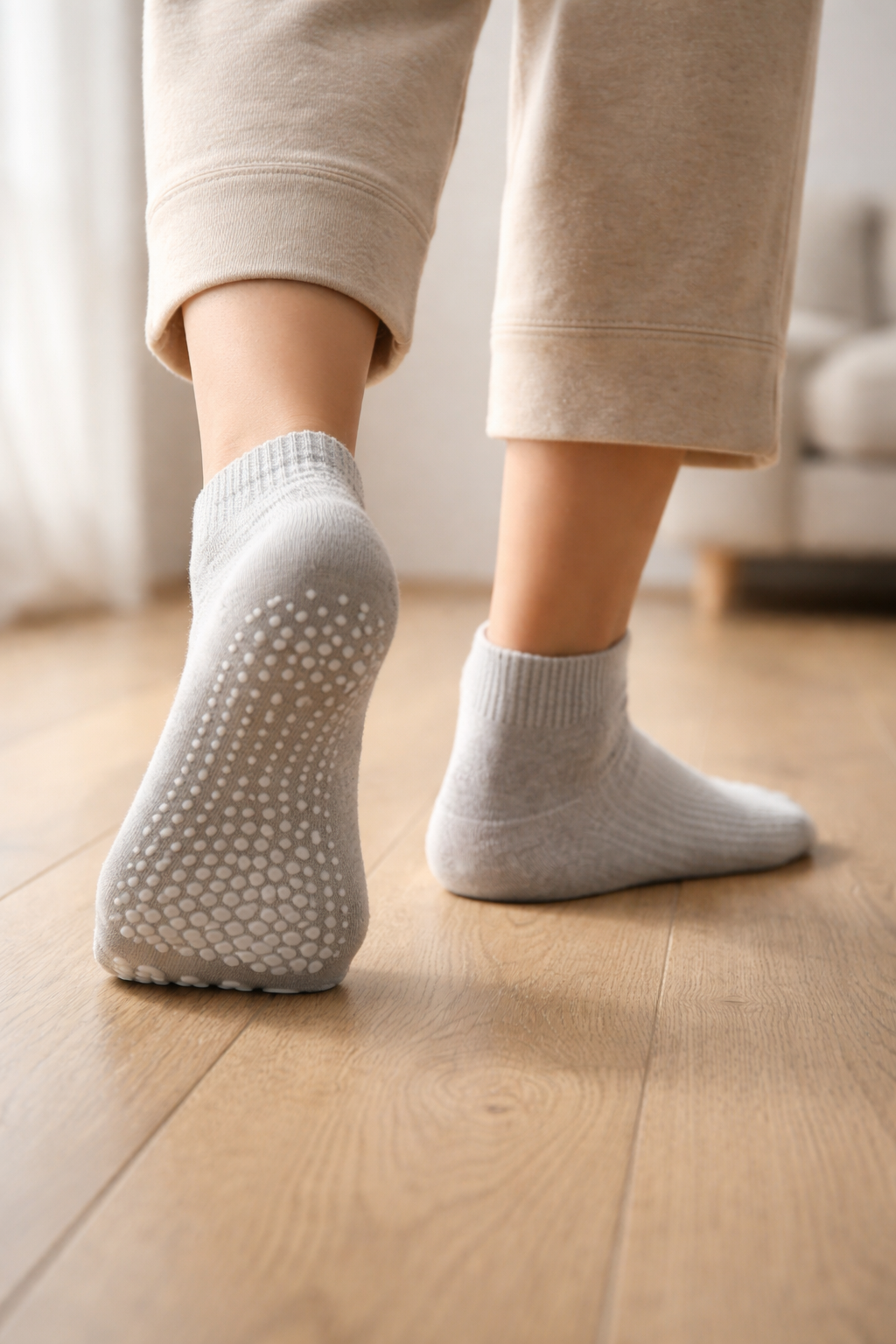
Grip socks come in several styles, and the right choice usually depends less on branding and more on how and where they are used. Most users naturally categorize grip socks by coverage, grip placement, and wearing context.
For younger consumers, grip socks have transcended their origins as functional workout accessories. They are increasingly seen as a staple of lifestyle fashion, merging both practicality and style.
Gen Z values comfort, versatility, and products that seamlessly fit into their dynamic, active routines. Grip socks align perfectly with this mindset, providing stability without sacrificing fashion or flexibility.
The rise of athleisure and the trend of at-home fitness have contributed to the popularity of grip socks among younger audiences. Many now wear them not just during workouts, but as part of everyday outfits, especially for indoor wear.
For this generation, grip socks represent a fusion of function, comfort, and personal lifestyle choice. They offer a chic alternative to bulky footwear, perfect for studio-based activities, casual outings, or lounging at home.
Best for: stability-focused activities and everyday indoor use
Full-sole grip socks feature traction across the entire bottom of the sock, from heel to toe. This design provides consistent contact with the floor, regardless of foot position.
People typically choose full-sole grip socks when they:
Full-sole designs are the most common choice for yoga, Pilates, barre, and daily indoor wear, especially on hardwood or tile floors.
Best for: flexibility with targeted traction
Half-sole grip socks place traction primarily under the forefoot and heel, leaving the midfoot more flexible. This allows more natural foot movement while still providing slip resistance where it matters most.
Users often prefer half-sole grip socks if they:
These styles are commonly used in Pilates, barre, and balance-focused training environments.
Best for: breathability and toe awareness
Toeless grip socks leave the toes exposed, allowing natural toe spread and increased airflow. Many users find this improves comfort during longer sessions or warmer conditions.
Common reasons for choosing toeless grip socks include:
Toeless designs are especially popular in Pilates studios, barre classes, and rehabilitation settings.
Sock length affects both comfort and how grip socks fit into daily routines. Many users don’t realize how much coverage changes the experience until they try both.
Best for: minimal feel and warm environments
Ankle grip socks are often chosen by users who want traction without added coverage or visual presence.
Best for: warmth, support, and everyday wear
Crew grip socks are frequently worn beyond workouts, especially at home or while traveling.
For many users, grip socks gradually replace traditional house socks due to increased stability and comfort.
Grip socks allow users to train indoors without choosing between barefoot instability and wearing shoes.
In these situations, grip socks function as lightweight indoor footwear, offering comfort without bulk.
Experienced users usually make their choice by asking simple questions:
Answering these questions tends to lead to better long-term satisfaction than comparing technical specifications.
Most people don’t stop using grip socks once they find a style that fits naturally into their routine.
For younger consumers, grip socks are no longer viewed as purely functional workout accessories. They are increasingly seen as lifestyle items.
Gen Z users value comfort, versatility, and products that fit naturally into daily routines. Grip socks align well with this mindset, especially for home use, casual movement, and studio-based activities.
The rise of athleisure and at-home fitness has also contributed to the popularity of grip socks among younger audiences. Many wear them not just during workouts, but as part of everyday indoor wear.
For this generation, grip socks represent a blend of function, comfort, and personal lifestyle choice.
Grip socks are no longer limited to workouts. Many people now wear them as part of everyday outfits, especially in shoe-free or indoor-focused environments.
Grip socks pair naturally with leggings, joggers, and other relaxed clothing worn at home or during light movement.
Lightweight grip socks can be worn with sneakers for short periods, especially when transitioning between indoor and outdoor spaces.
In yoga, Pilates, or barre classes, grip socks are commonly worn as part of a complete studio outfit, offering both function and visual consistency.
How grip socks are worn often depends on personal routine, comfort preference, and environment rather than strict rules.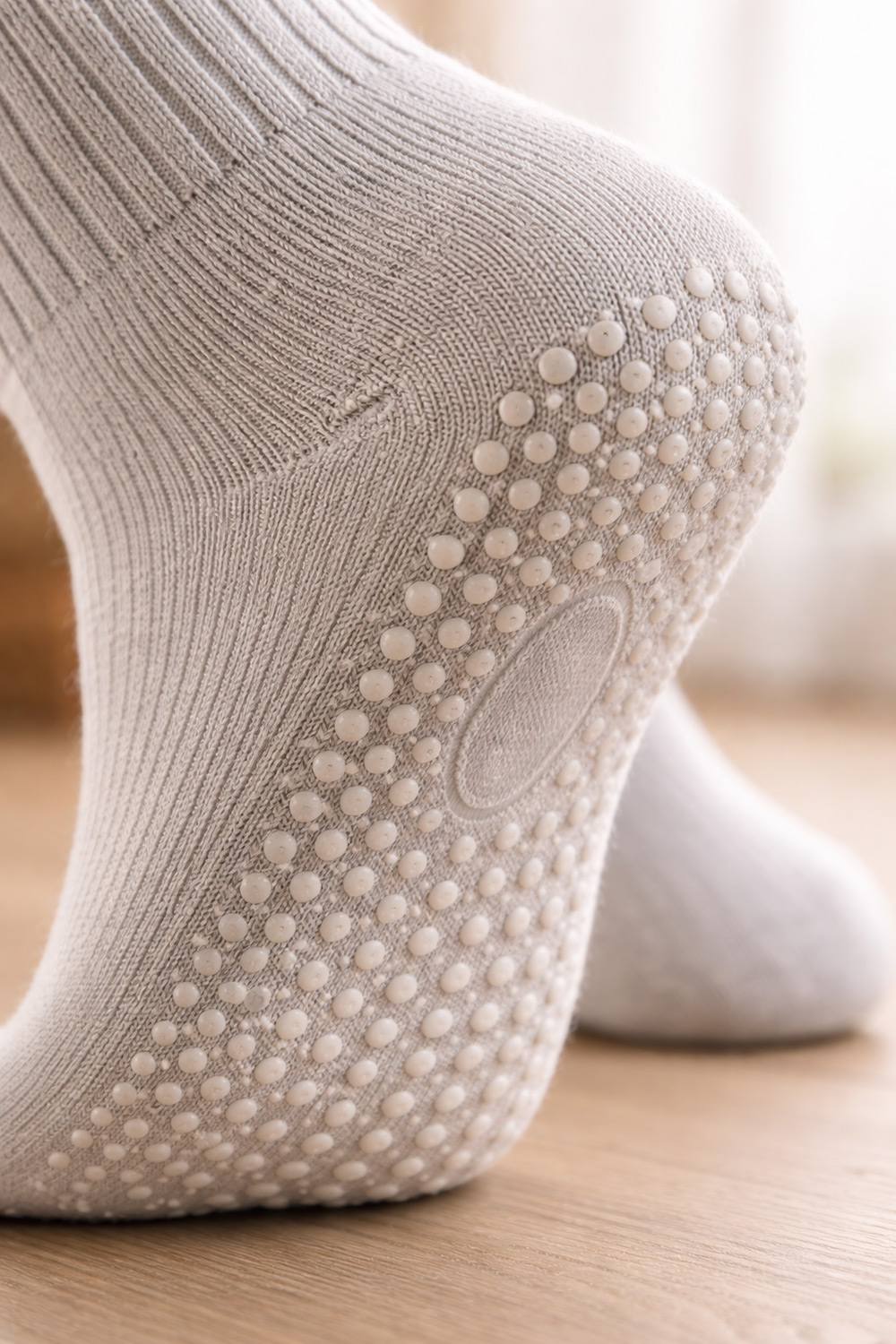
Quality in grip socks is rarely judged on first wear. It becomes noticeable only after repeated use, washing, and extended indoor movement.
Materials affect not just comfort, but how reliably the socks perform over time. This includes fabric resilience, grip retention, and how the socks feel after weeks of normal use.
Sustainability in grip socks is less about labels and more about longevity.
Socks that maintain comfort and grip performance over time reduce the need for frequent replacement, which has a greater environmental impact than short-lived materials.
From a practical standpoint, durability, wash resistance, and extended usability are the main contributors to sustainability in this category.
When it comes to grip socks, materials and care rarely influence the first purchase. However, they strongly determine whether users continue wearing the same pairs weeks or months later.
Most users don’t select grip socks based on fiber names. Instead, materials quietly affect comfort, breathability, and how the socks feel after repeated wear and washing.
In real-world use, the most durable and comfortable grip socks usually combine natural fibers with synthetic reinforcement rather than relying on a single material.
The grip material defines how the socks perform, but users rarely describe it in technical terms. They notice how it feels underfoot and how it changes over time.
The difference between silicone and PVC usually becomes noticeable after repeated wear rather than on the first day.
Grip socks rarely fail suddenly. Instead, users experience gradual changes as the socks age.
With proper care, most grip socks remain functional for months of regular indoor use. Higher-quality grip compounds and reinforced fabrics tend to extend lifespan.
In everyday use, reduced grip performance is more often caused by care habits than by design flaws.
Many users are unaware that grip materials respond differently to heat and chemicals than standard fabrics.
Grip socks typically wear out gradually rather than suddenly. The fabric often remains usable while traction slowly decreases over time.
Proper care plays a major role in extending lifespan. Gentle washing, avoiding high heat, and minimizing chemical exposure help preserve both fabric and grip materials.
Users who get the longest life from their grip socks usually follow a few simple habits.
These steps require minimal effort but help preserve grip performance and overall comfort.
Some grip socks are designed for short workout sessions, while others are suitable for extended indoor wear.
Users who wear grip socks for longer periods tend to prefer:
This is why many experienced users own multiple pairs for different activities and durations.
From a long-term perspective, user satisfaction depends on:
For brands and bulk buyers, durability and care expectations are just as important as initial grip strength.
The best grip socks are not the ones with the strongest grip on day one, but the ones that still feel reliable after weeks of normal use.
Grip socks are used by people of all ages, but for different reasons.
While younger users focus on comfort and lifestyle integration, older users often prioritize safety and confidence in movement.
This versatility explains why grip socks are adopted across households, studios, and care environments alike.
Grip socks are often associated with studios or workouts, but in reality, their user base is much broader. People of different ages use grip socks for very different reasons, usually related to safety, comfort, or everyday routines rather than performance alone.
For children, the primary concern is movement without awareness of risk. Kids tend to move quickly indoors and rarely adjust their behavior based on floor conditions.
Common situations include:
Parents often choose grip socks not for athletic reasons, but to reduce slipping without limiting natural movement. Soft grips and flexible materials are generally preferred for this group.
Adults represent the largest and most diverse group of grip sock users. Many start using grip socks for a single activity, such as yoga or Pilates, but continue wearing them in other settings once they notice the difference.
Common reasons adults use grip socks include:
For this group, comfort over time is critical. Socks that feel tight, hot, or distracting during extended wear are less likely to stay in regular use.
For older users, grip socks are less about exercise and more about confidence in daily movement.
They are commonly worn:
The most valued features for seniors include reliable traction, easy-on and easy-off fit, and cuffs that do not restrict circulation. Many prefer grip socks that feel familiar rather than highly technical.
Most issues users experience with grip socks develop gradually and can often be managed through simple adjustments.
Reduced grip, discomfort, or fit concerns are usually related to wear patterns, care habits, or choosing the wrong style for a specific environment.
Rather than abandoning grip socks entirely, users typically adapt by rotating pairs or selecting different designs for different uses.
Despite their benefits, grip socks are not without issues. Users across all age groups tend to report similar concerns over time.
This is usually caused by gradual wear, detergent residue, or repeated exposure to high heat during drying. In many cases, the sock fabric remains usable while traction slowly decreases.
Discomfort is often linked to tight cuffs, excessive compression, or stiff grip materials. Users experiencing this issue typically switch styles rather than abandoning grip socks altogether.
Grip socks are designed primarily for shoe-free environments. When worn inside tight footwear, excessive traction may cause friction or bunching.
Instead of giving up on grip socks, most users adjust how they use them.
This behavior explains why experienced users rarely rely on a single type of grip sock.
People don’t want to think about their socks. They want them to quietly do their job.
Grip socks succeed when they match real daily movement patterns and balance traction with comfort. Overly aggressive designs may attract attention, but predictable, comfortable performance builds long-term trust.
Choosing grip socks becomes simpler when buyers focus on real usage scenarios rather than technical terminology.
Comfort over time, reliable traction, and durability after washing are the factors that most influence satisfaction.
For both individual users and bulk buyers, predictability matters more than novelty.
After understanding how grip socks are used in real life, choosing the right pair becomes far less complicated. Most experienced users do not compare technical specifications — they focus on how the socks fit into their daily routines.
Before buying, users usually consider a few practical questions:
Answering these questions typically leads to better long-term satisfaction than focusing on marketing terms or product labels.
Whether buying for personal use or in bulk, certain characteristics consistently matter over time:
For repeat buyers, reliability is often more important than novelty. Grip socks that perform consistently tend to remain in regular rotation.
Grip socks are available through multiple purchasing channels, allowing users to select options that suit their specific needs.
Common places to buy high-quality grip socks include:
As the popularity of grip socks grows, many users transition from one-time purchases to repeat buying, owning multiple pairs for different environments and needs.
Customization has become an important part of the grip sock market, especially for studios, fitness brands, and private-label buyers.
Customized grip socks are commonly used as studio merchandise, brand collaborations, promotional products, or uniform items.
Custom grip socks are commonly used by studios, fitness brands, and teams that want consistency in both function and appearance.
Unlike retail purchases, customization focuses on matching real usage environments, brand identity, and long-term wear expectations.
Typical customization options include:
For studios, customized grip socks help maintain a uniform look while reinforcing safety standards during classes.
For brands and teams, customization allows grip socks to function as both practical equipment and recognizable branded items used repeatedly over time.
Well-designed custom grip socks are not promotional giveaways. They are products intended for regular use, where comfort, durability, and reliable grip matter as much as visual branding.
OEM and private-label grip socks are typically considered when buyers require:
Studios, distributors, and retail brands often explore OEM solutions once demand becomes predictable and repeat orders are expected.
Grip socks are used to improve stability and reduce slipping during indoor activities such as yoga, Pilates, home movement, rehabilitation, and everyday indoor wear.
Yes. Grip socks increase friction between the foot and the floor, significantly reducing the risk of slipping on smooth surfaces, especially during controlled movements.
For many users, grip socks offer a safer and more hygienic alternative to barefoot training, particularly on smooth floors or in shared spaces.
Many people wear grip socks at home, while traveling, or during recovery days when shoes are not practical.
With proper care, grip socks typically last for months of regular indoor use. Grip performance usually declines gradually over time.
Yes. Many manufacturers offer OEM and private-label options, including custom logos, colors, grip patterns, and packaging.
Grip socks are no longer a niche accessory. They have become a practical solution for stability, comfort, and everyday indoor movement across fitness, home, healthcare, and lifestyle environments.
The best grip socks are not the ones you notice the most, but the ones you trust without thinking.
When grip socks fit naturally into daily routines, they tend to stay there — quietly reliable and consistently useful.
While grip socks initially gained popularity in fitness settings, they have evolved into an essential piece of everyday wear.
Beyond their role in preventing slips during yoga, Pilates, or barre, grip socks provide stability, hygiene, and comfort in various indoor environments.
The growing use of grip socks in homes, rehabilitation centers, and travel situations shows that they are more than just a workout accessory—they are now an integral part of daily movement.
As their popularity spreads across age groups and use cases, grip socks continue to stand out as a versatile, safety-driven solution that adapts to multiple needs.
Grip socks are not just for workouts; they are about enhancing stability, comfort, and hygiene in everyday life.

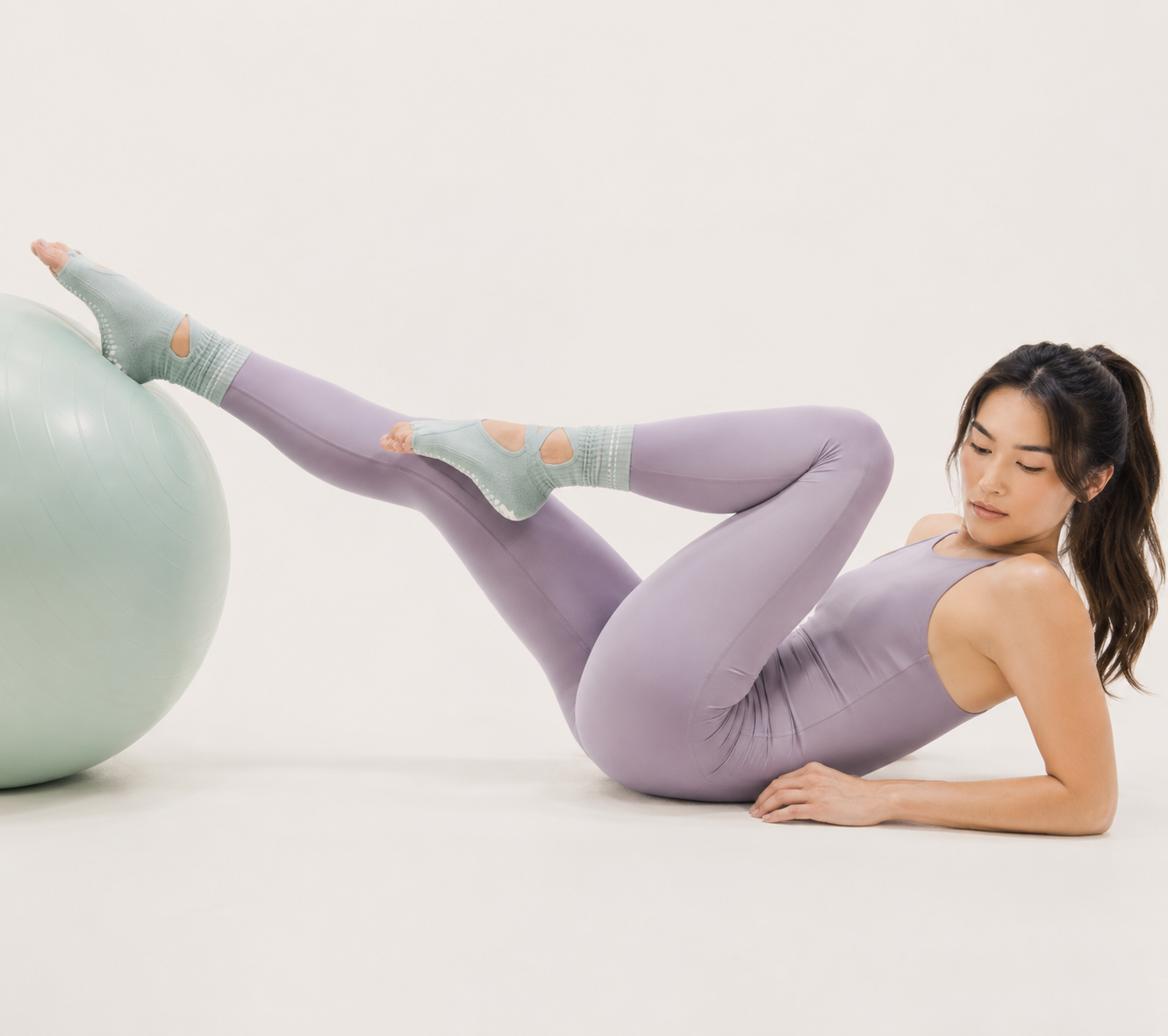 Barre Socks vs Yoga Socks
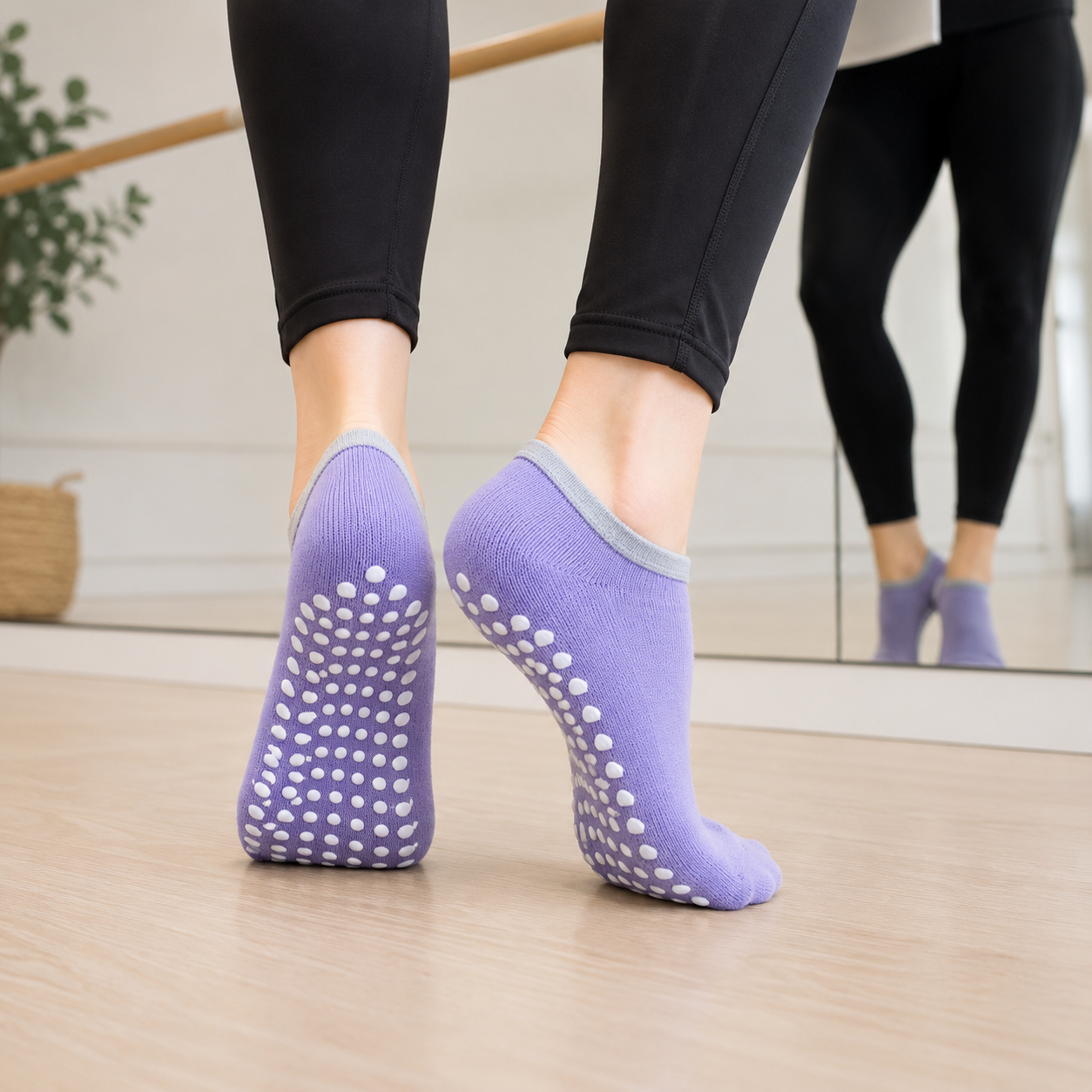 Do You Need Grip Socks for Barre
 Best Grip Socks for Barre
 Hospital Socks vs Grip Socks