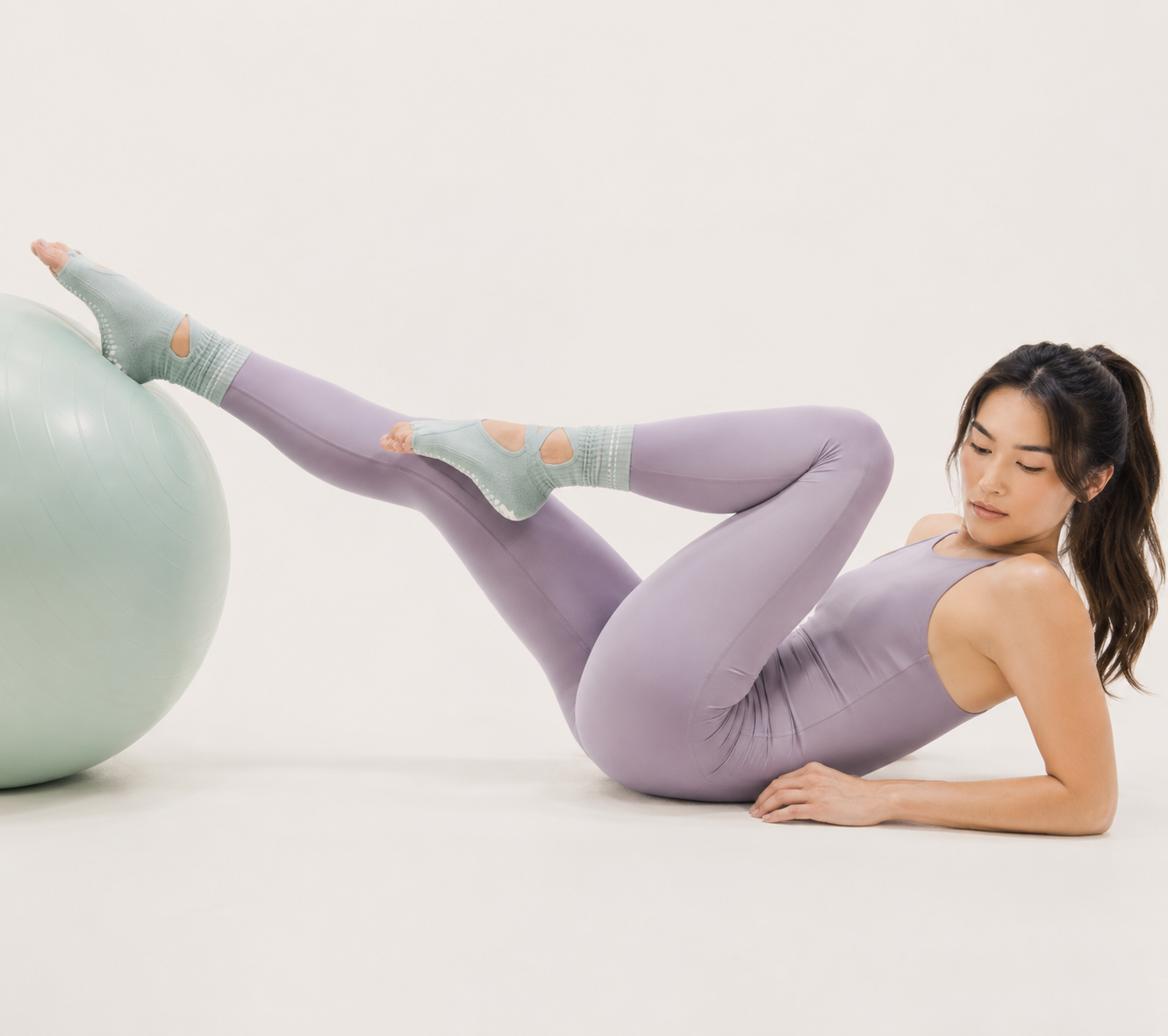
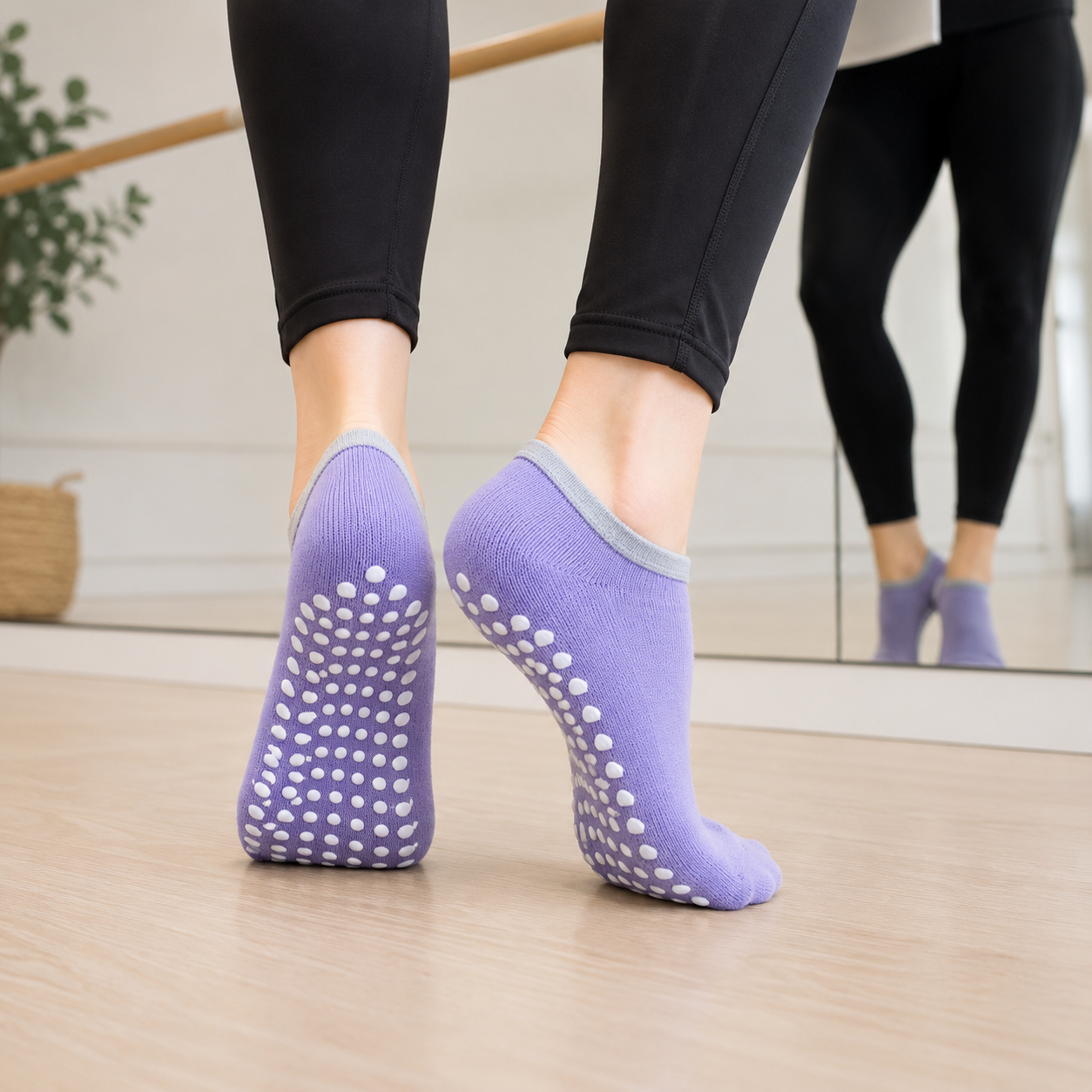
Yes, Yuintal supports private label fitness grip socks development for gym brands, fitness studios, distributors, and retail buyers who need scalable OEM production with consistent branding. Private label projects typically cover logo integration, grip performance structure, color systems, and retail packaging aligned with brand positioning. MOQ varies depending on customization depth, while sample development usually follows a short-cycle approval process before bulk production. Compared with standard custom socks, private label fitness socks focus more on brand identity, durability for high-intensity use, and repeatable supply for growing fitness product lines.
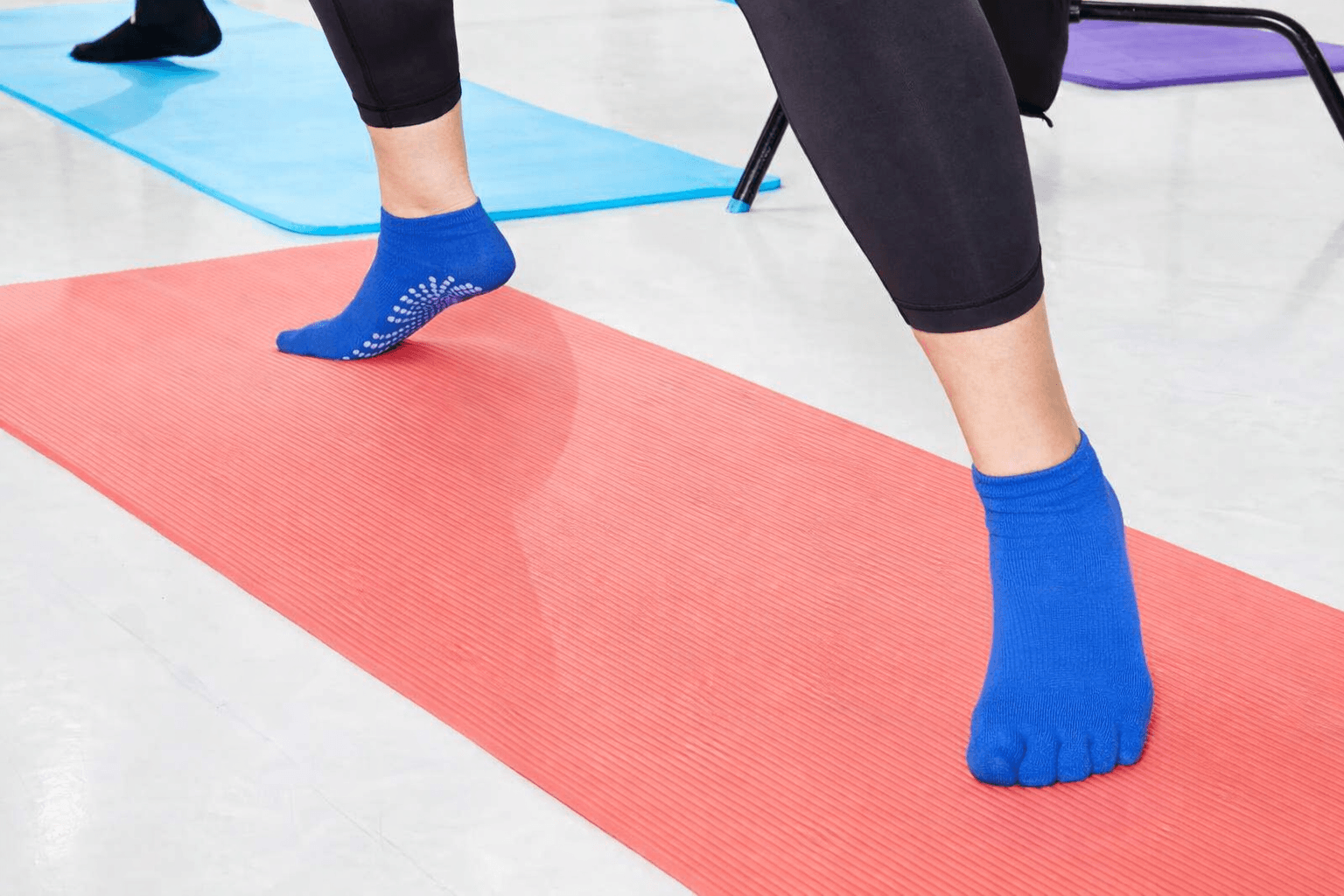
What Private Label Fitness Grip Socks Mean for OEM Buyers
Private label fitness grip socks are not just customized products, but part of a brand-building process. Instead of focusing only on product specifications, buyers need to consider how the socks represent their fitness brand, gym identity, or retail positioning. This includes logo visibility, product consistency, packaging presentation, and the ability to scale production for repeat orders.
Many buyers start from a general private label grip socks inquiry, then move into a more specific fitness-oriented product direction once they define their target users. Compared with yoga or Pilates socks, fitness grip socks are typically designed for higher-intensity environments such as gym training, functional workouts, and indoor fitness programs, where durability, sweat management, and long-term wear performance become more important.
For procurement teams, the goal is not only to customize a product, but to establish a repeatable OEM model. This means selecting a supplier that can support stable bulk production, consistent quality, and flexible adjustments as the brand grows. Some buyers may also compare options through a broader grip socks manufacturer page before confirming private label cooperation.
Private label projects are often suitable for gym chains, fitness studios, and retail brands that want to offer branded merchandise or build their own product line. In many cases, fitness-focused projects later expand into adjacent categories such as custom grip socks or multi-scenario collections once the initial supply chain is established.
Branding & Product Customization Scope
In private label fitness grip socks projects, customization is not only about product features, but also about building a consistent brand system. The customization scope can be divided into three main layers: brand identity, product structure, and packaging presentation.
1. Brand Layer (Identity & Visibility)
This layer defines how the brand appears on the product and in the market. It includes logo placement, logo style (silicone, knitting, embroidery), and overall visual consistency. For fitness brands, logos are often designed to remain clear and durable under repeated washing and high-intensity use.
2. Product Layer (Performance & Structure)
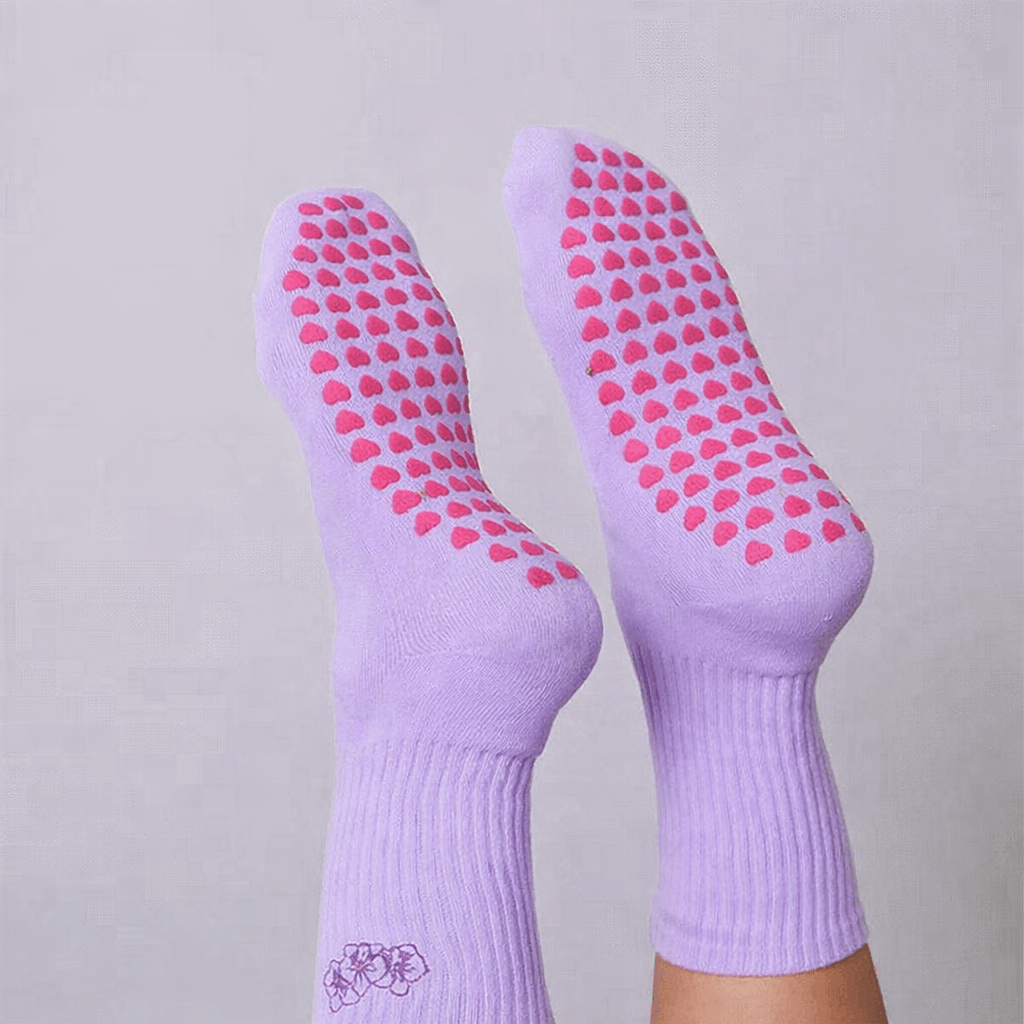
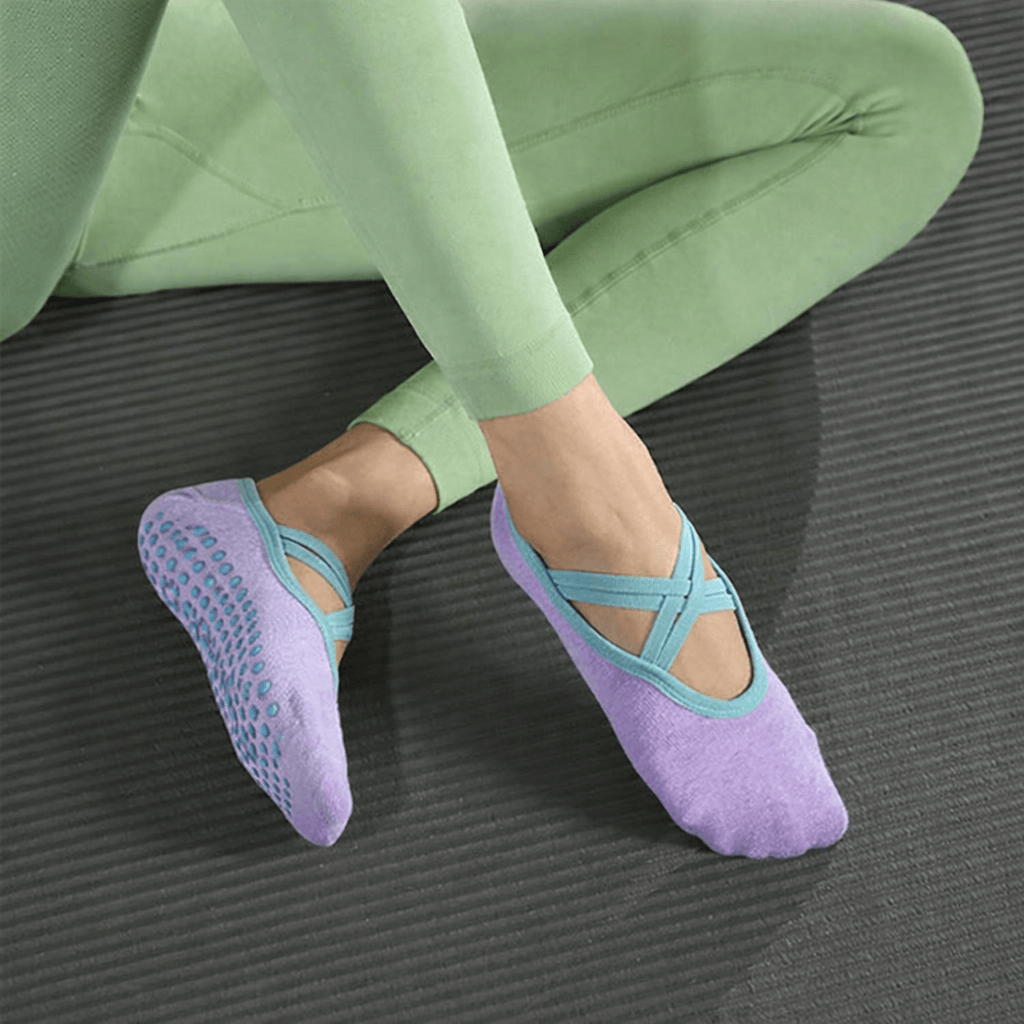
The product layer focuses on how the socks perform during workouts. This includes grip pattern design (full or targeted zones), material selection for breathability and sweat management, and structural features that support movement stability. Compared with yoga socks, fitness socks usually require stronger durability and more robust grip performance.
3. Packaging Layer (Retail & Distribution)
Packaging plays an important role in private label projects. Options may include simple bulk packaging, branded retail boxes, or eco-friendly solutions depending on the sales channel. For brands selling through gyms or retail stores, packaging becomes part of the overall customer experience.
4. Size & Product Range Planning
Private label fitness sock projects may also include planning for size ranges, color variations, and product extensions. This helps brands create a consistent product lineup that supports repeat orders and long-term sales strategies.
In practice, not every project requires full customization across all layers. The key is to balance branding needs, production efficiency, and cost control, so that the project remains commercially viable and scalable.
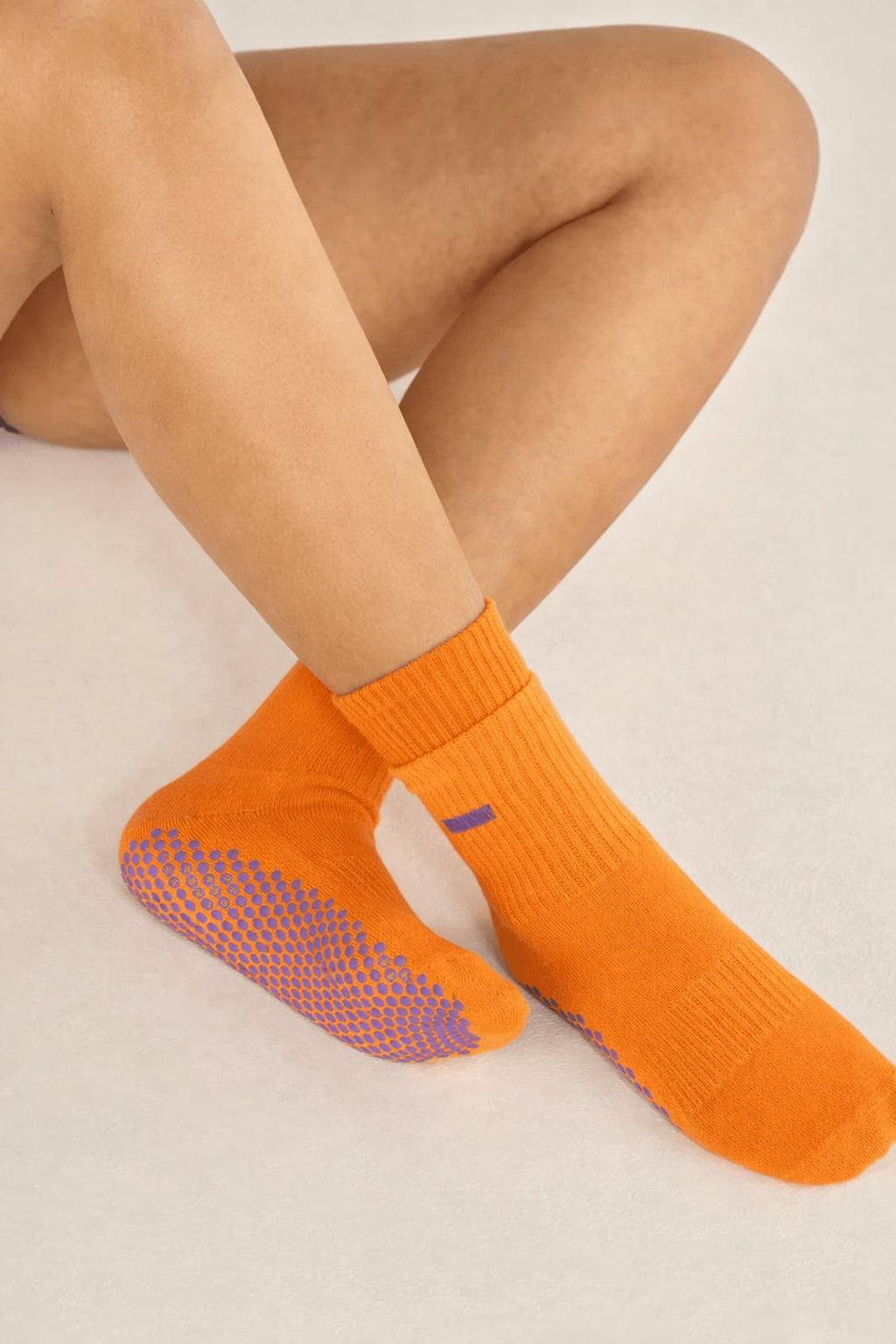
OEM Process for Private Label Fitness Grip Socks
Private label fitness grip socks projects follow a structured OEM workflow designed for brand consistency and scalable production. Each stage ensures that product performance, branding details, and packaging align with the intended market positioning.
Step 1: Requirement & Brand Positioning (1–3 days)
Buyers define their brand direction, including logo usage, target market (gym, retail, distributor), preferred product style, and estimated quantity. This step focuses on aligning product structure with brand identity.
Step 2: Design & Product Planning (2–5 days)
The supplier prepares a design proposal covering logo placement, grip layout, material suggestions, and packaging options. Adjustments are made to balance branding, performance, and production feasibility.
Step 3: Sample Development (5–12 days)
A physical sample is produced for evaluation. For fitness socks, this step is critical to test durability, grip performance, and comfort under higher-intensity use.
Step 4: Sample Approval & Adjustment (2–5 days)
Buyers review the sample and request refinements if needed. Final approval confirms all key details for bulk production.
Step 5: Bulk Production (18–35 days)
Mass production begins based on the approved sample. Production time depends on order volume and customization level.
Step 6: Inspection & Shipment Preparation (3–7 days)
Finished products are inspected, packed, and prepared for shipment, ensuring consistency with approved standards.
MOQ, Sample Time, and Production Lead Time
MOQ and lead time for private label fitness grip socks vary depending on branding complexity, packaging requirements, and order scale. The following table provides a general reference for planning OEM projects.
| Customization Type | MOQ | Sample Time | Production Time |
|---|---|---|---|
| Basic Private Label (Logo + Stock Design) | Low to Moderate Range | 5–7 days | 15–20 days |
| Brand Custom (Logo + Color + Grip Adjustment) | Moderate Range | 7–10 days | 20–28 days |
| Full Private Label (Product + Packaging System) | Higher Range | 10–15 days | 25–35 days |
| Repeat Orders | Lower MOQ Possible | Not Required | 15–25 days |
Buyers evaluating long-term supply may also review broader sourcing options such as grip socks wholesale to understand how bulk purchasing and distribution models fit into their business strategy.
Sample Policy
Sampling is a key step in private label projects, as it ensures that branding, performance, and packaging meet expectations before bulk production.
- Sample Cost: Varies depending on customization scope and design complexity.
- Refund Policy: Sample fees are often deductible from bulk order costs.
- Sample Time: Typically within 5–15 days depending on project requirements.
- Revisions: Minor adjustments are usually allowed after initial sample review.
- Shipping: Samples are shipped via express courier for faster feedback cycles.
Design Support
For private label fitness brands, design support is often part of the OEM process. This helps ensure that product design aligns with brand positioning and market expectations.
- Logo optimization for durability and visual clarity
- Grip pattern suggestions based on fitness use scenarios
- Color matching aligned with brand identity
- Packaging concept suggestions for retail or gym distribution
- Support for common file formats such as AI, PDF, and PNG
For brands developing a broader product line, this may connect with sourcing strategies involving custom grip socks or additional product categories.
Quality Considerations for Fitness Use
Fitness grip socks are typically used in higher-intensity environments compared to yoga or Pilates. As a result, quality control must address both performance and durability.
- Durability: Socks should withstand repeated stretching, washing, and high-frequency use.
- Grip Stability: Anti-slip performance must remain consistent without peeling or uneven wear.
- Sweat Management: Breathability and moisture control are important for comfort during workouts.
- Logo Resistance: Branding elements should maintain appearance after repeated use.
- Batch Consistency: Large orders must match approved samples in performance and appearance.
-
Customization Risk Control
Private label projects involve multiple variables, including branding, materials, and production processes. Proper risk control ensures that the final product matches expectations and remains consistent across orders.
- Color Variation Control: Using approved color references and sample confirmation to minimize deviation.
- Logo Durability Risks: Testing different application methods before mass production.
- Sample Approval: Final production strictly follows approved sample specifications.
- IP Protection Awareness: Safeguarding brand designs and proprietary elements.
- Post-Sample Changes: Limiting major design changes after approval to avoid delays and inconsistencies.
A structured OEM process combined with clear communication helps reduce uncertainty and ensures that private label fitness sock projects can be executed smoothly.
Typical Private Label Fitness Sock Projects
Private label fitness grip socks projects vary depending on business models, target markets, and brand positioning. Below are common project types that OEM buyers typically develop.
1. Gym Chain Branding
Fitness studios and gym chains often create branded grip socks as part of their member experience or retail offerings. These projects usually focus on consistent logo presentation, durability for frequent use, and simple packaging for in-store sales.
2. Retail Fitness Brands
Retail brands develop private label fitness socks as part of a broader product line. In this case, packaging design, color systems, and product consistency become critical for building a recognizable brand identity.
3. Distributor & Wholesale Buyers
Distributors may develop private label collections to supply gyms, studios, or local retailers. These projects often balance customization with cost efficiency and may combine OEM production with broader sourcing strategies such as bulk grip socks supply.
4. Multi-Scenario Product Expansion
Some buyers start with fitness socks and later expand into other categories, including yoga or Pilates products. This may involve cooperation with a grip socks manufacturer that supports multiple application scenarios and scalable production.
Frequently Asked Questions
What is the MOQ for private label fitness grip socks?
MOQ depends on customization level. Basic logo applications require lower quantities, while full private label projects with packaging and structural customization may require higher volumes.
How long does it take to develop a sample?
Sample development typically takes 5–15 days depending on design complexity and customization requirements.
Can the logo remain durable after washing?
Yes, logo durability depends on the selected application method. Silicone and knitted logos are commonly used for better long-term performance.
How long does bulk production take?
Production lead time usually ranges from 15–35 days depending on order size and customization scope.
Is this suitable for new brands?
Yes, private label fitness sock projects can be adapted for both new and established brands, with flexible customization levels to match budget and scale.
Conclusion
Private label fitness grip socks projects focus on combining branding, product performance, and scalable production. For gym brands, fitness studios, distributors, and retail businesses, the key is to build a repeatable OEM model that supports both product consistency and long-term growth.
By understanding customization scope, MOQ structure, sampling process, and production workflow, buyers can reduce uncertainty and move forward with a clearer sourcing strategy. Whether starting from a focused fitness product or expanding into a broader range such as custom grip socks or other branded collections, a structured OEM approach ensures better control over quality and supply.